The Sexual Revolution: Important Dates

Mark Rutano
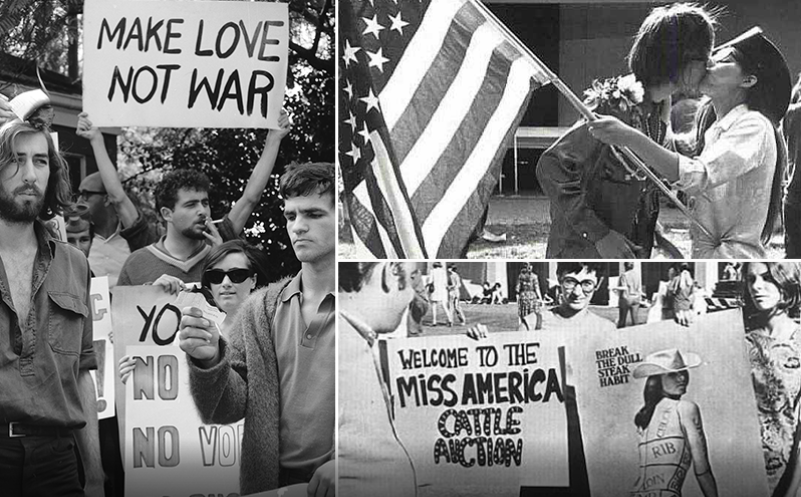
The sexual revolution in the United States was part of a larger counterculture that started to take root after The Second World War when the Baby Boomers started to rebel against the greater conservative Christian culture that dominated during that time. The counterculture included drugs, rock music, hippie culture, women equality, and sexual freedom among the youth, primarily. The people who participated in the sexual revolution saw it not only as freedom and pleasure, but a source of power against conservative views.

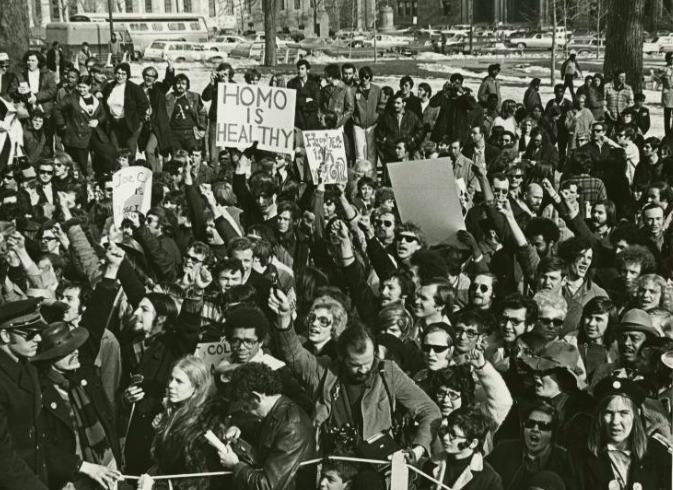
During this era, sexual relations outside the sanctity of marriage was frowned upon and individuals who enjoyed these vices risked being ostracized by the public. Students risked expulsion from their educational institutions for having sexual relations. The homosexual population was further punished for their actions through imprisonment. The sexual revolution spans over two decades of people fighting against the policies of that time:

  • 1953 – The Kinsey Reports and the first Playboy

Written by Alfred Kinsey, the Kinsey Reports were a series of studies conducted on young adults, primarily college-educated and from lower economic standing. The first report, published in 1948 (Sexual Behaviour in the Human Male), included interviews with 5,300 males students; the second was published in 1953 (Sexual Behaviour in the Human Female), including 5,940 females. The Kinsey Reports published information that depicted the regularity of homosexual behaviour among a portion of the US population.

The first PlayBoy was also published this year, by Hugh Hefner, feature the breathtaking Marilyn Monroe as the centerfold model.
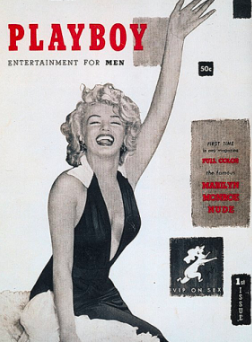
Note: From 1953 -’66 the US government banned books with explicit sxual content. During this time, Playboy was still publishing regular issues of their magazines; this was accomplished by writing educational articles alongside arousing centerfolds of beautiful women to be legally published.

  • 1960 – United States approves the Pill

The pill gave women more control over their sexual lives. Women did not have to worry about being pregnant; they are able to have affairs and sleep with men outside of wedlock. This was a problem for the conservatives because they believed it invited promiscuity to the population and this was at odds with family foundations. Some people say that the pill started the sexual revolution.

  • 1965 – The US Government decides it can not dictate the use of the pill.

Under the first amendment, it was ruled that the US government could not dictate the use of the pill between married individuals.

  • 1966 –  Human sexual response published
  • 1967 – Summer of Love

The Summer of Love occurred over the year and was primarily a celebration of hippie culture. Everything from sex, drugs and music was celebrated by the youth countering the in protest of the conservative culture and their oppressive views towards the young and free.

  • 1969 – Stonewall Riots

The Stonewall riots was a movement primarily the homosexual community started fighting for the right to love and have sexual relations with whomever without government of police intervention and punishment. The Stonewall Riots was named after the Stonewall Inn where the riots first broke out after officers tried to arrest homosexuals for their sexual preferences.  
  • 1981 – End of the Sexual Revolution: AIDS outbreak

The sexual revolution helped change the minds of many people, ushering a new age of sexual freedom not only for the youth of that time, but also normalizing it in future generations.
*Important to Note*

Written By McKenna 

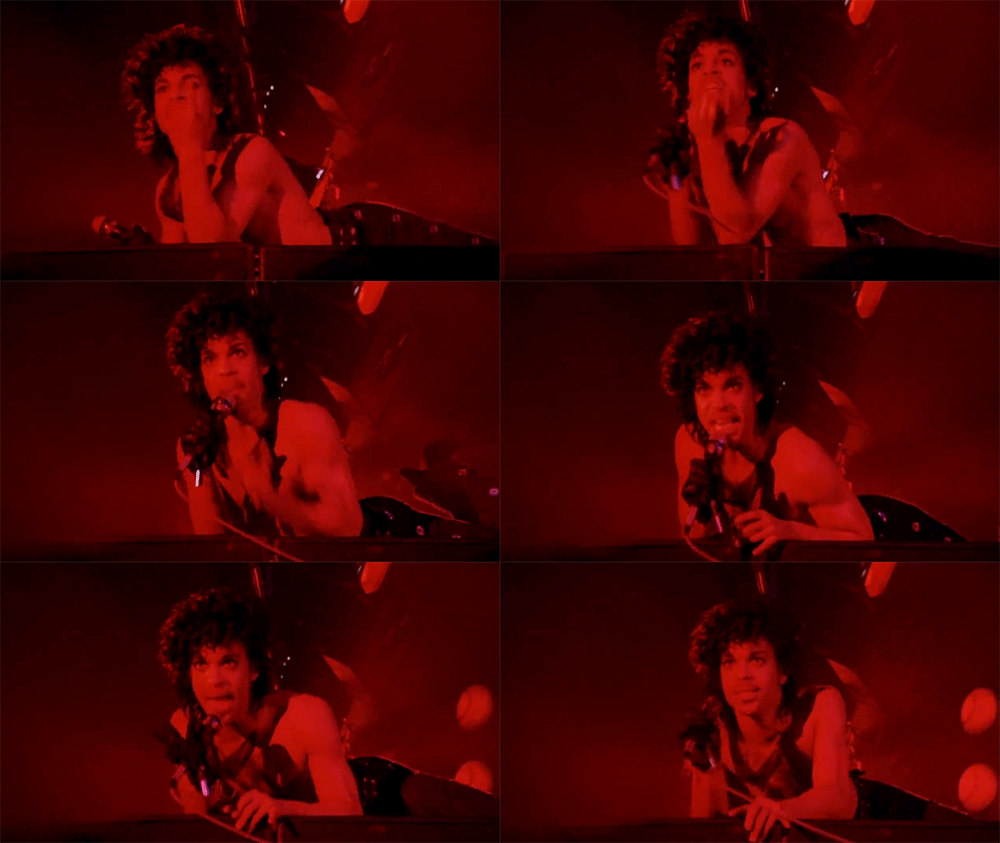
When discussing the Sexual Revolution, people often resort to conversing about the most evident icons of the time. Some of these Icons are undoubtedly more obvious in their sexual fluidity, through unapologetic arrays of expressions. Artists like Prince, and David Bowie displayed these expressions proudly from the clothes they wore and the way they danced, to their overall unique personalities that more often than not challenged that social norms and boundaries of the conservative population (to be talked about in later posts).These artists, (artists being the most fitting term for these people), were monumental leaders and icons in the sexual revolution, challenging there formation of sexuality at the time. Comparatively, other artists were considerably subtler in their influence, influencing the revolution through their innuendos and understatements lyrically. These artists were people likeBob Seger, and the Rolling Stones who’s sexually considerably liberalness rooted more in their straight, cisgender, personalities indirectly referencing sex or encounters from experience.  The sexual revolution was receptive of an array of artists who ignored social boundaries and paralleled this in its pursuit of acting an array of sexualities calling out the irrationality of sexual boundaries.

Although these icons are defining monuments of the sexual revolution, it’s important to look at artists who paved the, and planted the roots that inspired the components of this revolution. Some of these artists may be debatably un related to the revolution as their upbringing and music occurred before the 60’s, the start of the revolution, however it’s important to acknowledge the roots of these revolutions and the parents of the music styles, genres, and innovations that allowed for the elements that defined that revolution, in which with out them there wouldn’t have been a revolution.

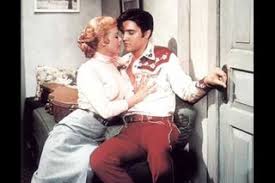
One Night With You by Elvis Presley (1959)

Written By McKenna

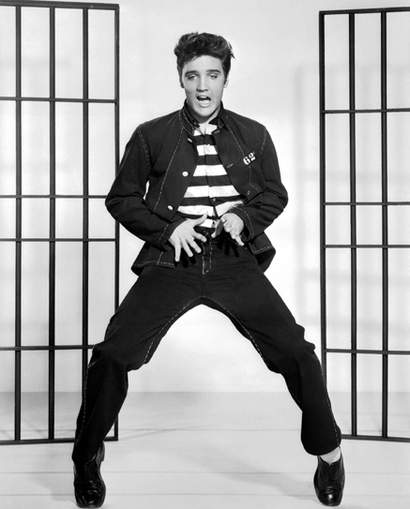
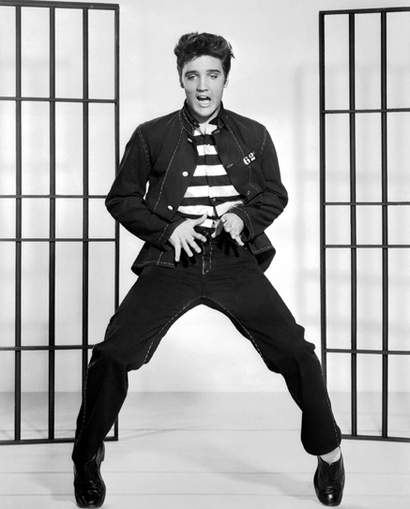
Elvis Presley may not have started to produce music in the 1960’s however I believe he was essential in the makings of the revolution. Elvis Presley was anAmerican Icon, a figure that the youth loved, and parents hated. Similarly, he was someone who conservatives loathed and the general public of slightly, but inadvertently rebellious youth could take interest in. Those who weren’t his fans considered him despicable and blamed his breathy, hip- swinging persona on the delinquency of youth, however when Elvis appeared on interviews or spoke out to the public, he was tame, kind hearted, and well-behaved.

         Elvis was born in 1935 and died in 1977.  He grew up in Tupelo, Mississippi extremely poor. After he moved to Memphis, he was later signed to Sun Records after sending an audition tape. Rhythm and blues, country, rock and roll genre compilations acquired him the name “King of Rock and Roll”. His persona had a rather flamboyant personality that was constantly welcomed by screams from crushing teen audiences at every venue he attended. He soon dominated the top charts from 1956-1958 and appeared 3 times on the Ed Sullivan show where he was famously known for being censored from the waist down. His persona inspired many artists, including Jon Lennon, and Prince who later became staples of the sexual revolution.

         OneNight With You, one of Presley’s most successful singles, was written by Dave Bartholomew and Pearl King and was originally recorded by Smiley Lewis in 1956. Elvis’ version was released in the US in 1958 but recorded in 1957. It was released while he was serving in the army. One month before him and the band recorded the song, they rewrote a less controversial version, changing the lyrics “One night of sin/ is what I’m now paying for” to “One night with you/ is whatI’m now praying for”. Although the line was rewritten to accommodate the considerably more conservative potential audiences, the line still suggests a sexually driven message through his bluesy sultry tone. It is also implied that what he’s praying for is affirmations of love, once again reaffirmed through his breathy vocals and the line afterwards “The things that we two could plan/ would make my dream come true”. This phrase is a sexual innuendo, implying the sexual activities they could engage in and his desperation to have just one night with the partner he is singing about. This is further implied through the guitar build up after the phrase, insinuating a feeling of eagerness in its fast pace and rapid note progression. Later on, he proceeds to sing the lyrics “My loves too strong to hide/ Always lived, very quiet life”. In these lyrics Elvis is expressing his overwhelming desire romantically and sexually to be with this woman, saying it’s so intense he almost can’t control it. Shortly after he sings this line, his vocals persist to raise in intensity mimicking the “too strong to hide” lyrics.  The song “climaxes”through his longing vocals the third and last time he sings “Now I know that life without you/ Has been too lonely too long”.

         OneNight With You, is one of many songs performed by Elvis that contributed to, fuelling the sexual revolution. The song was rewritten enough to be released and played without it being banned and eventually the song would reach number 4 on the pop charts. The songs popularity enabled millions of listeners to leave Elvis’ sexual innuendos up to their own imaginations. Furthermore, Elvis’ swooning persona persuaded his audience into listening to his lyrics through their own sexual desire. To say that Elvis was not significant in the sexual revolution is like ignoring that you need flower to bake a cake, it is simply an essential ingredient in the making of something delicious. If it weren’t for Elvis “pushing sex intonations consciousness before the sexual revolution” would it have ever occurred?

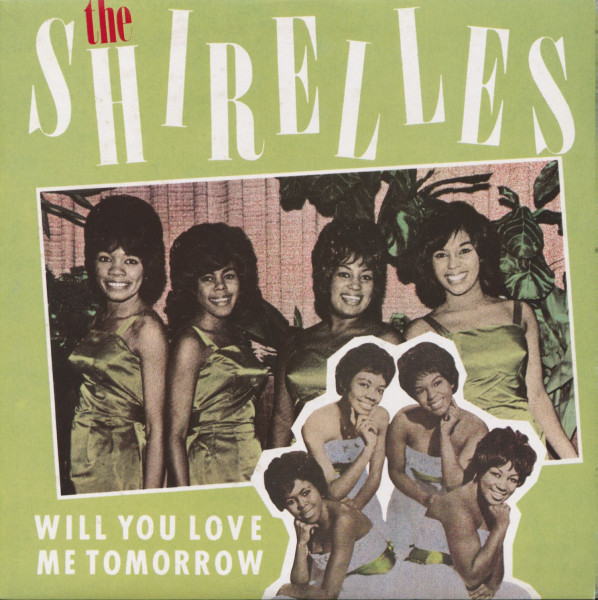
Will You Love Me Tomorrow by The Shirelles


The early 1960s was atough time for the people who wanted to express themselves freely. Conservative norms were being practiced throughout society and many who deviated from thatwere either chastised, punished, or seen as social pariah’s. The strictness and conservative ideologies did not exactly sit well with the younger generationof the time and many protests broke out wanting for change. One of these protests was the sexual revolution. This revolution was part of a bigger movement called, the counterculture. This movement saw the rise of sex, drugs and rock and roll in the 60s. The term rock and roll itself is said to come from sex referring to the rock and rolling motion of the activity.

A big catalyst for thesexual revolution, as many people claim, was the birth control pill. The pillwas first approved by the FDA in the year 1960. This was fought against by manysocial conservatives. The pill was viewed to be immoral by allowing women to be promiscuous and attacked the main foundation of America which is a happy family. It was used as a scapegoat by many to pinpoint the reason of why the sexual revolution began. They believed it started to give the women to freedom topursue premarital sex and affairs without having to fear an unwanted pregnancy, meanwhile it was seen as liberating by many feminists. The creation of the pilland the sexual revolution itself sparked the female power movement, because nowthey are starting to question the traditional female roles in society. They getto go out and go after the same wants and desires that men have that females were not allowed to pursue before.

“Will You Love MeTomorrow,” by the Shirelles addresses the position of women during this revolutionary time. It was released the same year that the pill was approved inthe US. This song was performed and made famous by the Shirelles. It was writtenby song writing duo Gerry Goffin and Carole King.  As a segue, the latter was actually known for contributing to the sexual revolution and female power movements later on inthe 70s with songs like, “I Feel the Earth Move,” which addresses the female voice involving sexual matters. “Will You Love Me Tomorrow,” is presented froma woman’s perspective but the lyrics are ironically written by a man. Goffin,the lyricist, has claimed to put himself in the position of a woman and tried to envision what they feel like and what they go through when they are about tomake love and give themselves up to a man. He has been praised to have capturedthe bitter sweetness of a cultural revolution and the insecurities of women withtheir newfound sexual liberation during this period. The song talks about a woman and her questioning of whether she will still be loved by her partner after shegives herself to him or if he is just in it for the carnal pleasures. It exemplifies the insecurities women felt with this new wave of liberation, especially afterthe creation of the pill. This song represents the struggles that women were feeling at the time and how they don’t quite know how to navigate these social situations just yet.  The story told in the song wasnot what shocked the younger generation, it was the fact that it was publicly broadcasted in the form of a song. It became a voice for the younger people andwomen who did not think they had a voice back in the early 60s, it made talking about sex more normal for them. The lyrics in the song were actually considered so sexual and taboo that some radio stations banned it from being aired,although this did not stop many of the younger generation and females from listening and helping it rise to fame. The song became a massive hit and becamethe first #1 US hit by an all-black female group.  It also became the first #1 hit on the billboard 100, which was a big and significant achievement for women and especially black women with the civil rights movement happening during the sametime. This song became so popular that many known artists have recorded their own renditions.  Some of these artist include Carole King herself covering the song with a more mature feel and sound and she included it in her album called Tapestry.Another famous artist who covered the song is Amy Winehouse in the 2000s.This song has touched and reached women and people in many ways and isrevolutionary in its own right. It definitely showed signs of the beginning ofa revolution as people were starting to challenge the traditional conservativenorms.

Nicole Torres

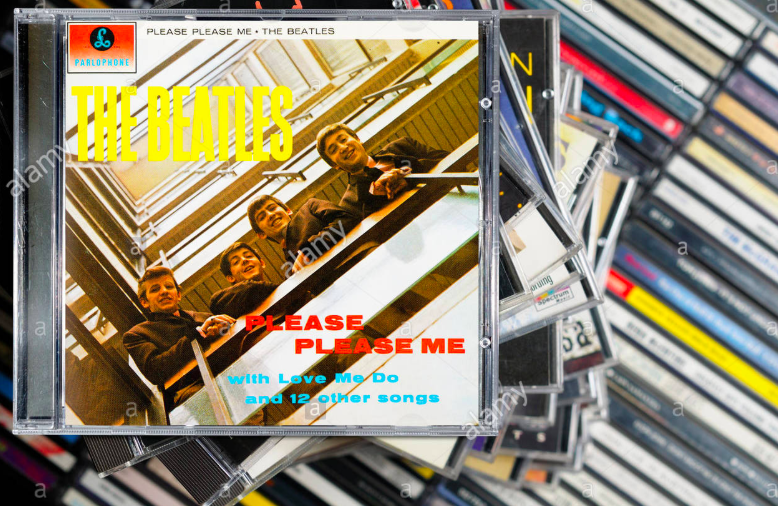
Please Please Me – The Beatles

Mark Rutano

Please Please Me, written by John Lennon, was The Beatles first single in the United States and their second in the United Kingdom (Love Me Do was the first) released in 1963. Inspired by Bing Crosby and Roy Orbison, Please Please Me was originally a slower, bluesy, and lovesick song before it was reimagined by The Beatles’ manager, George Martin. When it was released, the song featured upbeat and lively harmonica melodies and lyrics filled with innuendo sexually charging their listeners.

The song is rumoured to be a about a man not only asking for oral sex from his female partner, but begging; this was never verified by The Beatles themselves. This could have been due to the political censorship of the media from that period; for songs and other content to be release to the public or aired on radios and television it had to be deemed appropriate by the powers in charge. They could not be seen endorsing sexual behaviour inappropriate to the youth.

Although The Beatles never confirmed whether or not the song was about oral sex, it can be argued that Please Please Me is about a man craving oral sexual favours from their female partner. The song’s chorus features John Lennon and his backup vocals singing, “C’mon (C’mon)” in increasing pitch several times almost echoing the strong sexually urges of a man and how they would ask for it.

You don’t need me to the show the way, love

Why do I always have to say “love”

C’mon (C’mon), C’mon (C’mon), C’mon (C’mon), C’mon (C’mon).

Please please me, oh yeah, like I please you.

The first couple lines in the stanza above, it tells the story of a, perhaps sexually frustrated, man telling his lover that he does not need to show her what do followed by his c’mon cries. The excerpt below further illustrates the frustrations the man may be feeling. He states that he does all the pleasing and yet, his woman leaves him blue. This can be interpreted as a feeling of sadness or to the more imaginative listeners, the man is given blue balls by his partner because of her poor performance.

I do all the pleasing with you, it’s so hard to reason

With you, oh yeah, why do you make me blue


Please Please Me was short, sweet, and subtle, perfect for the market they were trying to reach at the time. The song was heard by millions and aroused the sexually charged minds of the youth during the sexual revolution. This song gets four great-heads out of five for its impact and protest of the oppressive powers.

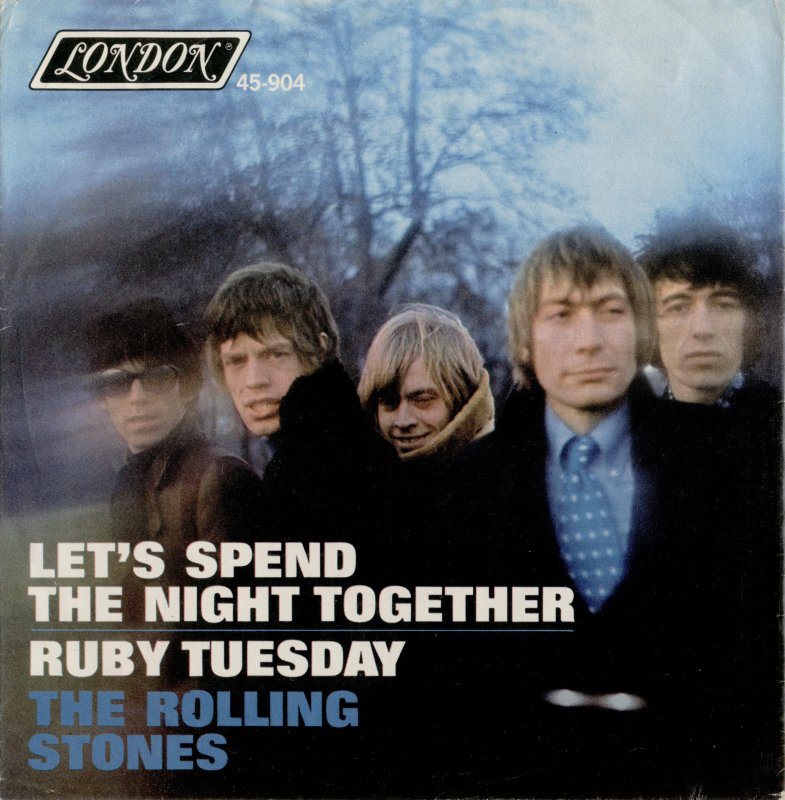
Let’s Spend the Night Together by The Rolling Stones

This song was written and performed by the Rolling Stones. It was released in 1967, which was the same year that the idea of the summer of love was born. The summer of love was a social gathering and event that took place in San Francisco. Anyone who supported and practiced the hippie culture and lifestyle were welcome to join this massive gathering. This became one of the biggest motivating factors for the sexual revolution and the hippie culture. Hundreds of people gathered in San Francisco to celebrate peace and the free love movement which was all the rave in the late 60s. “Let’s Spend the Night Together,” was definitely on theme with the events and happenings of the era. As expressed in the title of the song, it talks about a man wanting to spend the night with his lover. It portrays a young guy nervously building up the courage to ask his partner to spend the night with him, which is basically referring to sex. The Stones were already big in the rock and roll scene in ‘67 and the fact that they were making a song about directly about sex was significant and this helped spark the sexual revolution even more. The song is well known for its overtly sexual message and sexually charged lyrics, this caused it from being banned on several radio stations. Some stations chose to play it but bleeped the word “night,” out of the song so as not to make it too scandalous. It was considered so racy for the time that even China ban it along with 4 other Stones’ songs all over their country. A funny thing to note about the song is that it is said to be referencing a previous hit by the Stones called, “(I Can’t Get No) Satisfaction.” In the lyrics of “Let’s Spend the Night Together,” the singer talks about finally being satisfied possibly by his lover. This addresses the previous songs’ message about the singer’s struggle of not getting any satisfaction. The previous song is also rumoured to be referencing sex and the frustration of not getting any satisfaction from it .

This song was famously featured on the Ed Sullivan Show. This is the same show that censored many performances during that era. One example was, Elvis’ performance in the late 50s. They considered his dancing too sexual and they were afraid of the reaction that it will stir up with the young female audiences. In light of that, they cut out Elvis’ bottom half for his whole performance so as to make it family friendly.  Ed Sullivan originally did not want the Rolling Stones to perform the song on the show at all, but after several negotiations they have reached a compromise. They agreed to let the Stones perform on the show with the condition that they had to change the lyrics from “let’s spend the night together” to “let’s spend some time together.” They were required to omit the word night as it was considered too much for the public audience of 1967. The Stones agreed to perform but were definitely against the censorship. Every time the band would sing the chorus, Mick Jagger can be seen rolling his eyes in protest and to show the fans that they did not want the changing of the lyrics. This shows the type of tension present between the younger and older generations. This tension and disagreement of social norms and traditional values was what caused a sexual revolution to take place in the beginning and this battle can be seen for many years to come. The song was covered by David Bowie in the early 70s and he gave the song a twist of his own. In the Stones’ version they sang it as if a young teenage boy was tryingto gather up the courage to ask a girl to have sex. In Bowie’s version he does the opposite. It’s not so much asking but more so telling the other person that they are going to spend the night together. This shows the evolution and the progress that the revolution has caused in only a span of a few years. In the 70s artists finally feel a little more comfortable expressing themselves and their sexualities. More artist are choosing to embrace sex and incorporate it into their songs. This can be seen in the likes of Prince, Marvin Gaye, Donna Summer and many more. However unfortunately, even in the present day, sex and relating topics are still often considered and seen as taboo. Society as a whole has made many strides towards the evolution of this matter, but some things never really change. Although there has been a significant amount of progress with this movement, the sexual revolution is still very much alive to this day.

Nicole Torres

Get Up (I feel like being a) Sex Machine by James Brown (1970)

Written By McKenna

I have to draw attention to a stand out in the revolution who did something no other could, in which I believe made him and his song an essential part in the Sexual Revolution development.

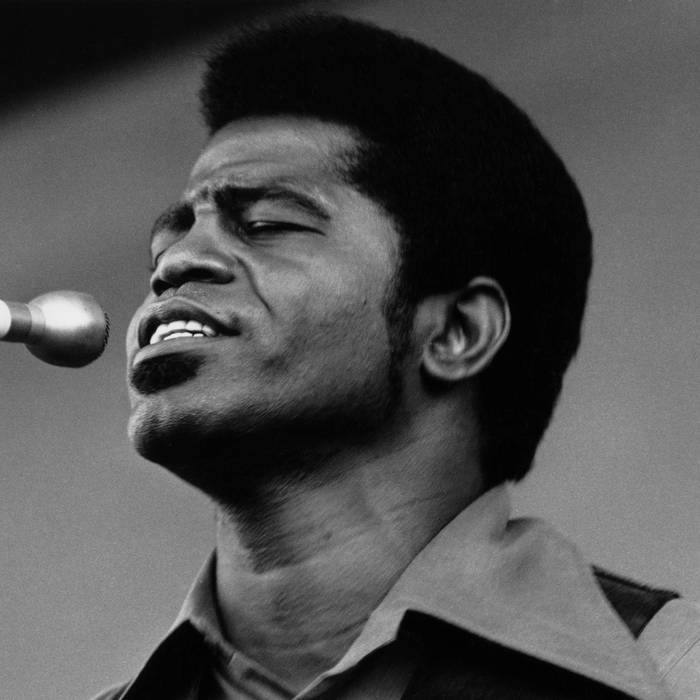
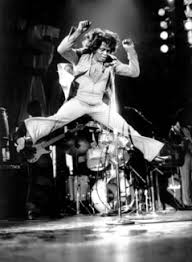
         James Brown was born in 1933 and died in 2006. During his lifetime, he was defined as a singer, songwriter, actor, dancer, artist, and “Godfather of soul” amongst many other titles. James started as a gospel singer in Toccoa, Georgia in which he joined the R&B group the Gospel Starlighters created by Bobby Byrd. James was considered the most iconic funk artist and one of the most tireless performers.

         GetUp (I feel like being a) Sex Machine was the first song with the word “sex”in the title to make the Hot 100 hit list. Many artists were shocked and couldn’t perceive how he got away with it, however as erotic as the title may seem the song was purely funk and normalized the word “sex” through its repetition. In the lyrics “Stay on the scene/ like a sex machine” James gives little power to the word sex using “sex machine” as a simile to “staying on the scene” or being aware and in the moment. James consistently reinforces the funky groove through his call and response with Bobby Byrd throughout the entire track. The sexuality of the lyrics is briefly reaffirmed through the line “You got to have the feeling sure as you’re born” implying the sexy sexual feeling he’s carrying through out the song. It’s also understood in the line “You give me fever ‘n’ a cold sweat”which also refers to his song “Cold sweat”. The word “fever” could imply his hotness in sexual desire, however it could also imply his fever from dancing to the sexy funk beat. The overall tone of the song sets a party atmosphere, insinuates dancing and social interaction that could later lead him to be a “sex machine”.

         Funk as a genre on its own has sexy music, dancing and culture that normalizes sexual desire into a fun, uplifting atmosphere. James Brown reinforced this in lots of music, especially this song.His ability to turn the shocking titled song into a stone-cold classic with little backlash was an essential example in the sexual revolution that inspired many. James represented a culture that had partially accomplished what the revolution was trying to do. Like I said before, funk exists as an undeniably sexy style, and James produced a track that represented just that.

David Bowie

You may know this huge celebrity whether it be from his success as an actor, art collector, singer, rockstar, etc. Regardless, David Bowie was a star and an icon. More specifically, in his time, he was known for being the pioneer of Glam Rock. The legend of Bowie goes back to his first debut at only 15 years old. He started with a band called The Kon-rads in the year 1962. He was introduced to the showbiz world through other bands such as the Mannish Boys, The King Bees, the Lower Third which helped David Bowie become David Bowie. His career truly begun when he had signed with manager Kennith Pitt. He helped Bowie develop into an artist with chart breaking singles. David was always fascinated with outer space and the extraterrestrial realm, so when his single Space Oddity was released, it did not take long until he became a star. As David experimented with unique sounds and styles mixed with cinema acting, fans around the world grew more comfortable with possibilities and ideas that would normally be thought outside the box. Over the years, he bounced through and tested his fortune with other bands; however, it was only until he met the Spiders from Mars when he carved out his name into history. In 1972, they released the album The Rise and Fall of Ziggy Stardust and the Spiders from Mars which featured a great single, Starman. This is where the alter ego Ziggy Stardust was born which revolutionized even further what metrosexual possibilities there were out therefor males. Ziggy would perform with a face decorated of makeup and would ultimately electrify the crowds. Prior to this, David had admitted bisexuality and had thought it would have impacted his career negatively. However, along with his alter ego, it only attracted more fans and attention which added to his fame.

https://www.youtube.com/watch?v=-M6J3GC6GVk
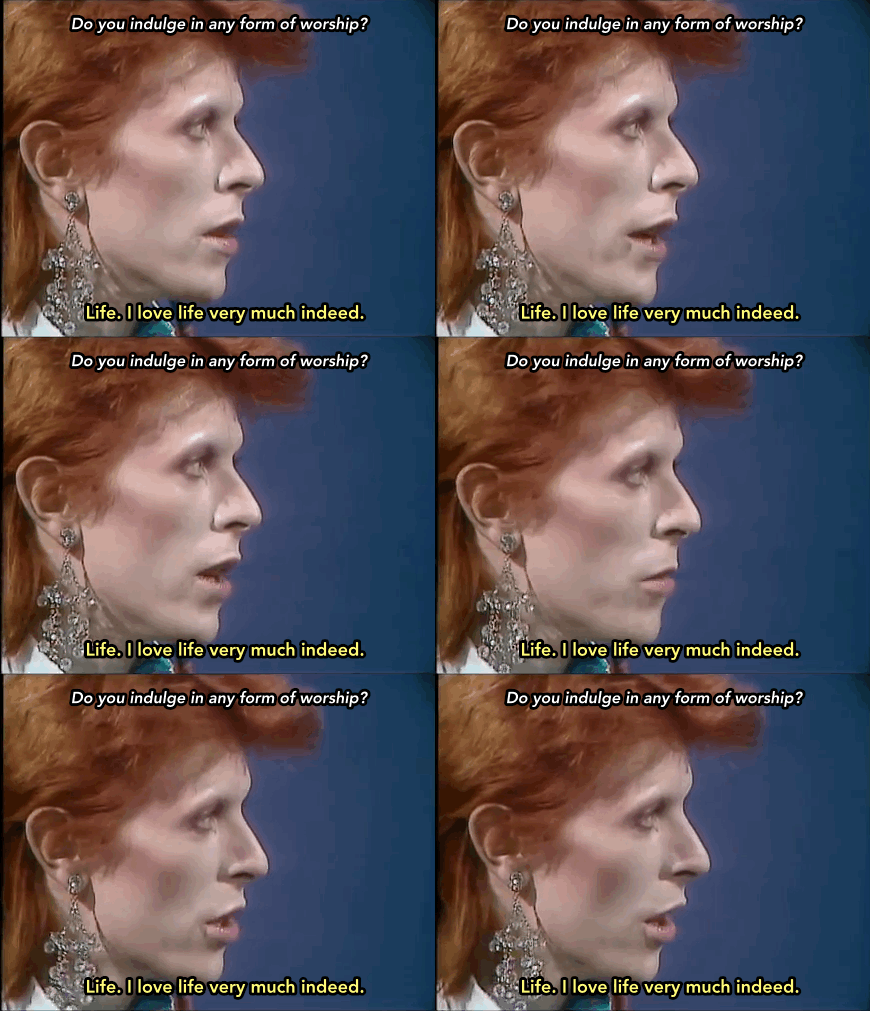
In this interview with Russell Harty in 1973, David recognizes that he is different; however, it is what makes him unique. He challenges the norm by taking on different personas to escape the conformity of society. Drawing the energy of life, he is able to perform with these characters as if they were a rather more accurate version of his true identity. 

“Offstage I’m a robot. On stage, I achieve emotion. It’s probably why I prefer dressing up as Ziggy to being David” 


In a contrasting way, wearing the makeup as Ziggy Stardust helped David achieve a state of an unmasking of who he truly is.

“Bisexual Alian Rock Superstar”


Both David and Ziggy together became this “bisexual alien rock superstar”. This alien rockstar caused other rockers to experiment with makeup, hair, music, lyrics, sexual personas. Shortly after The Rise and Fall of Ziggy Stardust and the Spiders from Mars, bands that wore makeup started to emerge. A popular American rock band called Kiss, was formed in 1973 in New York, which is only a year after David’s album with The Spiders from Mars. They are famous for their black and white makeup, long hair and exotic goth outfits. This was the year that his 6th album Aladdin Sane was released in which he adopted another persona with the use of makeup for imagery. David was the icon that challenged the future to aim high, be ambitious, provocative and most importantly, take risks. He was a gender bending force that was in truth one of the individuals that fuelled not only the sexual revolution, but even the gay liberation revolution. It was finally officially declared that David Bowie was in fact bisexual during an interview between him and Playboy in the year 1976. He brought bisexuality into the popular consciousness.

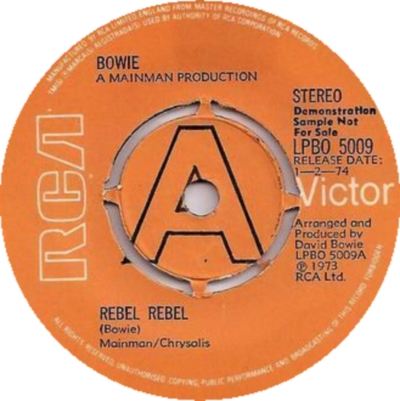
Rebel Rebel ’74

You've got your mother in a whirl 
She's not sure if you're a boy or a girl
Hey babe, your hair's alright
Hey babe, let's go out tonight
You like me, and I like it all
We like dancing and we look divine
You love bands when they're playing hard
You want more and you want it fast
They put you down, they say I'm wrong
You tacky thing, you put them on
Rebel Rebel, you've torn your dress
Rebel Rebel, your face is a mess
Rebel Rebel, how could they know?
Hot tramp, I love you so!

Many interpret this to be a song about Bowie himself, reflecting how he challenged the norm. It talks about a mother not knowing where they are male or female due to the glamorous hair, makeup and fashion sense. The song even makes a reference to a famous drag queen named Divine.Although others may not have accepted him with the whole effeminate outfit, the song mentions how he had fun regardless. Rebel and feel sexy regardless of what people may think of you. The most important key to confidence lies within the individual.

Darrius Kee Samaco

Night Moves – Bob Seger

Mark Rutano

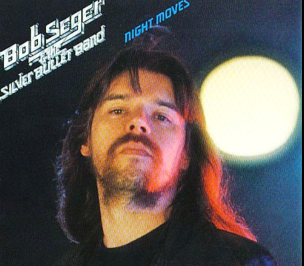
Was it the smooth guitar, the slightly raspy country boy vocals or was it the sexually adventurous lyrics of Bob Seger’s Night Moves that helped him reach national recognition in the United States 1976? His back-to-back releases of the albums Live Bullet and Night Moves brought him the fame a recognition he deserved in the ‘70s. Making music for over four decades, Bob Seger was inducted into the Rock ‘n’ Roll Hall of Fame in 2004. Bob Seger is currently touring for the last time with the Silver Bullet band that has been with him throughout his Rock ‘n’ Roll career.

Night Moves’ headline song featured the name and was the song of the young, wild and free in the time of its creation. It spoke of a forbidden love, a secret encounter, a couple of teenagers working on their night moves. This song tells a story of two teenagers sneaking away into the woods in the summertime one a one time encounter. It was the song you could not play with your parents around, but could not turn off when they were not.

We were just young and restless and bored

Livin’ by the sword

And we’d steal away every chance we could

To the backroom, to the alley or the trusty woods

I used her, she used me

But neither one cared

We were gettin’ our share

Workin’ on our night moves

Although it was very apparent that the song was about a sexual encounter, Bob Seger has said that the inspiration for this song came from a personal experience. The young Seger was in love with a beautiful Italian girl, in his younger years, and they ran away in his chevy to work on some night moves. His heart was later broken by this woman when she married her man that returned after serving in the military for a few years. Night Moves was the perfect song to inspire young adults during the peak of the sexual revolution. It was rock music, the music of the young rebels. It spoke of forbidden sexual relations, the actions of rebellious free loving youth. It declared freedom against conservative america.

Prince

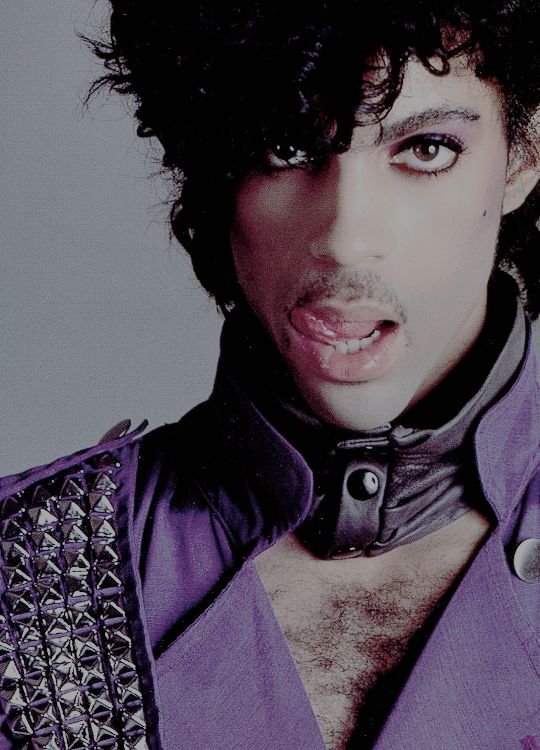
In Minneapolis, Minnesota, the sex icon Prince Rogers Nelson was born. With a name like Prince, you could almost guess that he was destined for greatness. If you’ve heard of songs like Purple Rain, or When Doves Cry, then you are a witness of his greatness. The name in fact, already had its reputation with the music industry. His parents were formally in a band called Prince Rogers Band. Their names were John Nelson and the mother was the infamous jazz singer who went by the stage name Prince Rogers hence the band name. At an early age, Prince Rogers Nelson was already being exposed to the world of music. He taught himself the piano, guitar and drums. In the year 1978, Prince made his debut with the album, For You and signing with the Warner Bros. Prince played around with a variety of styles such as funk, rock, R&B, new wave, soul, psychedelia pop, etc. Many of his songs were actually recorded with himself playing all the instruments; he wrote his lyrics and played all the instruments while recording. 

“Love Symbol”

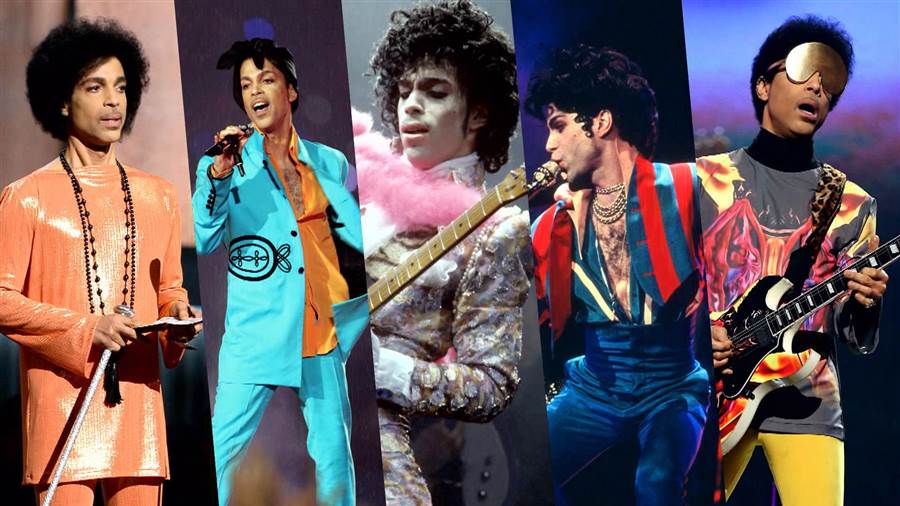
Like David Bowie, Prince was not afraid to bend the rules and experiment with fashion. In his early childhood years, Prince had epilepsy which resulted in many seizures. He combatted all the teasing through being as “extra” as possible. He would be loud and as noisy as possible. This would explain a lot about his extreme sexy persona, especially his exotic fashion sense. This sex icon wore articles of clothing such as heels, ruffled blouses, crop tops, bell bottoms, permed bouffets, plunging necklines, and even butt-less pants. Prince was an “iconoclast”, and he refused to conform to the perception of masculinity standards of western society. As his songs are ultimately full of sexual vibes, it allowed others to embrace that side of themselves. His display of freedom onstage encouraged artists to feel comfortable in their skin and with how they identify sexually. 

“He was a straight black man who played his first televised set in bikini bottoms and knee high heeled boots, epic. He made me feel more comfortable with how I identify sexually simply by his display of freedom from and irreverence for obviously archaic ideas like gender conformity etc. He moved me to be more daring and intuitive with my own work by his demonstration — his denial of the prevailing model … His fight for his intellectual property — “SLAVE” written across the forehead, name changed to a symbol…An all out rebellion against exploitation.”

-Frank Ocean

A great example of Prince’s impact is with the R&B and soul artist, Frank Ocean who came out as gay to the public and gave credit to Prince for being an influence on his declaration.

The art of sex was Prince’s main focus if you pay attention to his songs. His songs even celebrated how women have the same sexual urges as men. Other artists like Madonna also became huge influences that carried on the sexual revolution past its era. While Prince was a major male sex icon, Madonna was somewhat of his equivalent.

Purple Rain ’84

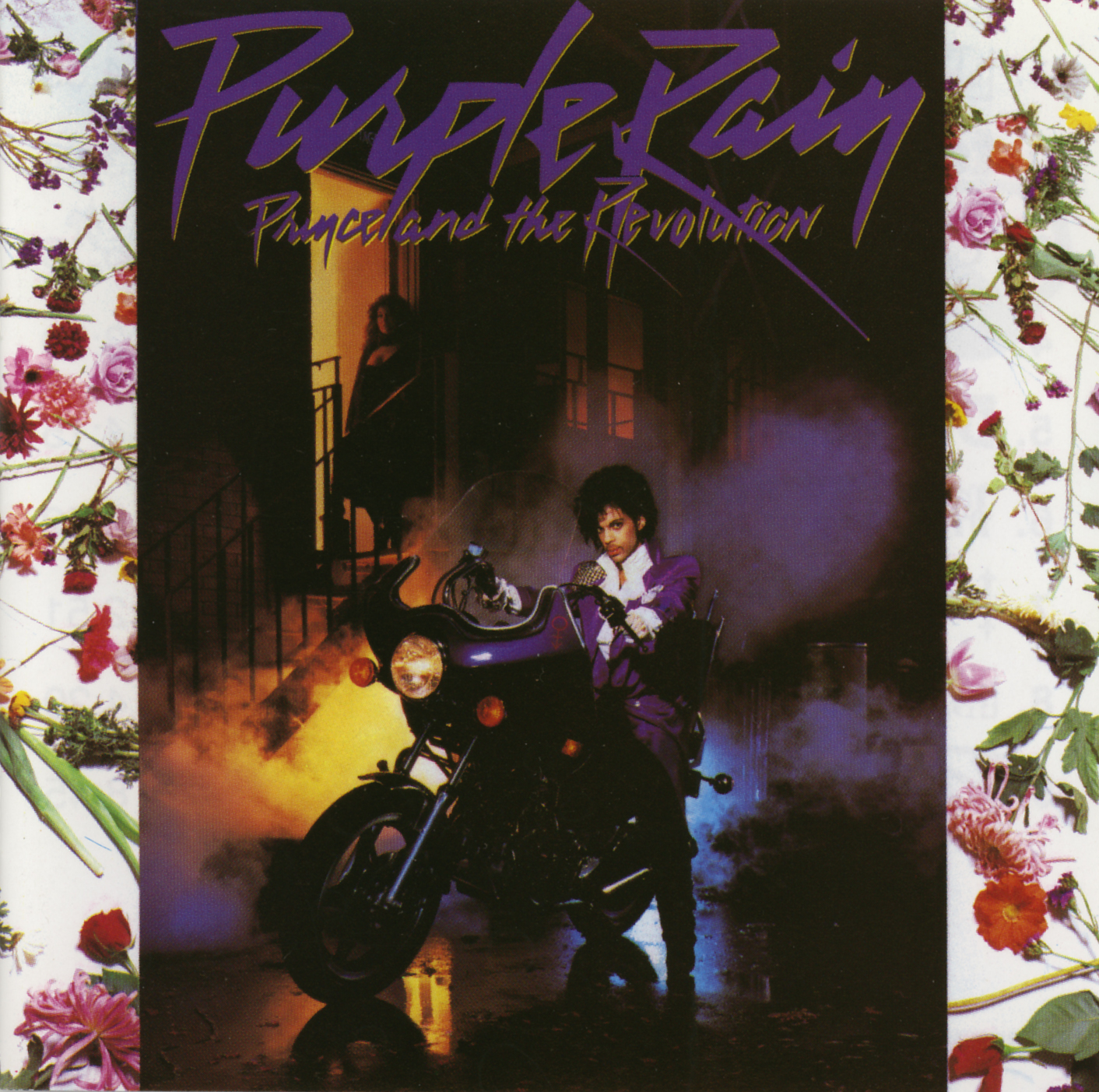
In 1984, Prince came out with a movie called Purple Rain. This movie is about a young talented musician that comes out from adversity and into the music world to find out that talent alone won’t get him into the spotlight he had expected. 

Darling Nikki ’84

The castle started spinning
Or maybe it was my brain
I can't tell you what she did to me
But my body will never be the same
Her lovin' will kick your behind
Oh, she'll show you no mercy
But she'll sho' 'nough sho' 'nough show you how to grind
Woke up the next morning
Nikki wasn't there
I looked all over and all I found
Was a phone number on the stairs
It said thank you for a funky time
Call me up whenever you want to grind
Ah!
Nikki!
Oh
Ah!
Come back Nikki! 
Come back!

In 1984, Prince came out with a movie called Purple Rain. This movie is about a young talented musician that comes out from adversity and into the music world to find out that talent alone won’t get him into the spotlight he had expected. The movie features many of his songs; one of them being Darling Nikki. During this clip, you can see how like Elvis Presley, Prince was able to stimulate a sexual vibe in his audience. The song itself is sex focused – no surprise there – and it describes a one night stand. This is truly powerful and resurfaces the sexual power that women felt when the pill was officially approved. That year, females finally felt the power to liberate themselves sexually. They were able to take matters into their own hands as they were 99.9% safe. Darling Nikki illustrates a woman using what her mamma gave her and fulfilling her needs before she disappears. Because of this movie, it was safe to be weird, over the top, and flamboyantly sexy with rock n roll. By this point, lingerie was a type of clothing that was not shocking when worn as outdoor wear. People felt that they could fully express themselves and truly do whatever they wanted with their bodies. Eventually having such a theme linked to his character, in 1993, Prince updated his stage name to the Love Symbol.

Darrius Kee Samaco