The early 1960s was atough time for the people who wanted to express themselves freely. Conservative norms were being practiced throughout society and many who deviated from thatwere either chastised, punished, or seen as social pariah’s. The strictness and conservative ideologies did not exactly sit well with the younger generationof the time and many protests broke out wanting for change. One of these protests was the sexual revolution. This revolution was part of a bigger movement called, the counterculture. This movement saw the rise of sex, drugs and rock and roll in the 60s. The term rock and roll itself is said to come from sex referring to the rock and rolling motion of the activity.
A big catalyst for thesexual revolution, as many people claim, was the birth control pill. The pillwas first approved by the FDA in the year 1960. This was fought against by manysocial conservatives. The pill was viewed to be immoral by allowing women to be promiscuous and attacked the main foundation of America which is a happy family. It was used as a scapegoat by many to pinpoint the reason of why the sexual revolution began. They believed it started to give the women to freedom topursue premarital sex and affairs without having to fear an unwanted pregnancy, meanwhile it was seen as liberating by many feminists. The creation of the pilland the sexual revolution itself sparked the female power movement, because nowthey are starting to question the traditional female roles in society. They getto go out and go after the same wants and desires that men have that females were not allowed to pursue before.
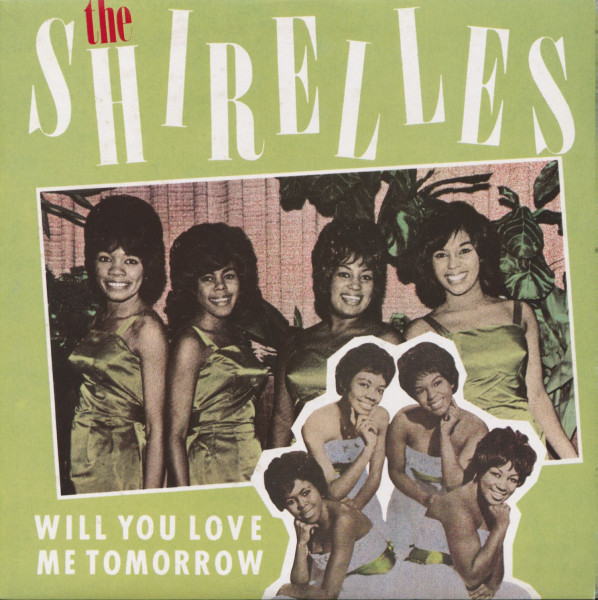
“Will You Love MeTomorrow,” by the Shirelles addresses the position of women during this revolutionary time. It was released the same year that the pill was approved inthe US. This song was performed and made famous by the Shirelles. It was writtenby song writing duo Gerry Goffin and Carole King. As a segue, the latter was actually known for contributing to the sexual revolution and female power movements later on inthe 70s with songs like, “I Feel the Earth Move,” which addresses the female voice involving sexual matters. “Will You Love Me Tomorrow,” is presented froma woman’s perspective but the lyrics are ironically written by a man. Goffin,the lyricist, has claimed to put himself in the position of a woman and tried to envision what they feel like and what they go through when they are about tomake love and give themselves up to a man. He has been praised to have capturedthe bitter sweetness of a cultural revolution and the insecurities of women withtheir newfound sexual liberation during this period. The song talks about a woman and her questioning of whether she will still be loved by her partner after shegives herself to him or if he is just in it for the carnal pleasures. It exemplifies the insecurities women felt with this new wave of liberation, especially afterthe creation of the pill. This song represents the struggles that women were feeling at the time and how they don’t quite know how to navigate these social situations just yet. The story told in the song wasnot what shocked the younger generation, it was the fact that it was publicly broadcasted in the form of a song. It became a voice for the younger people andwomen who did not think they had a voice back in the early 60s, it made talking about sex more normal for them. The lyrics in the song were actually considered so sexual and taboo that some radio stations banned it from being aired,although this did not stop many of the younger generation and females from listening and helping it rise to fame. The song became a massive hit and becamethe first #1 US hit by an all-black female group. It also became the first #1 hit on the billboard 100, which was a big and significant achievement for women and especially black women with the civil rights movement happening during the sametime. This song became so popular that many known artists have recorded their own renditions. Some of these artist include Carole King herself covering the song with a more mature feel and sound and she included it in her album called Tapestry.Another famous artist who covered the song is Amy Winehouse in the 2000s.This song has touched and reached women and people in many ways and isrevolutionary in its own right. It definitely showed signs of the beginning ofa revolution as people were starting to challenge the traditional conservativenorms.
Nicole Torres
 The Sexual Revolution